

A true divine metal in antiquity and a safe-haven asset for investors, 24-karat pure gold is very rarely used in jewelry because of its excessive malleability. Jewelers therefore use an alloy of gold and another metal in controlled proportions to give it better strength without tarnishing its luster or its value. These alloys also make it possible to obtain shades of gold in different colors.
What is 18-karat gold?

The carat of gold is different from the carat of a diamond. It does not designate the weight of the metal here, but the proportion of pure gold within a luxurious alloy composed of 24 parts.
24-karat pure gold is therefore composed of 24 parts of gold, while 18-karat gold contains 6 parts of another metal. Usually copper, nickel, or more precious metals such as silver and palladium.
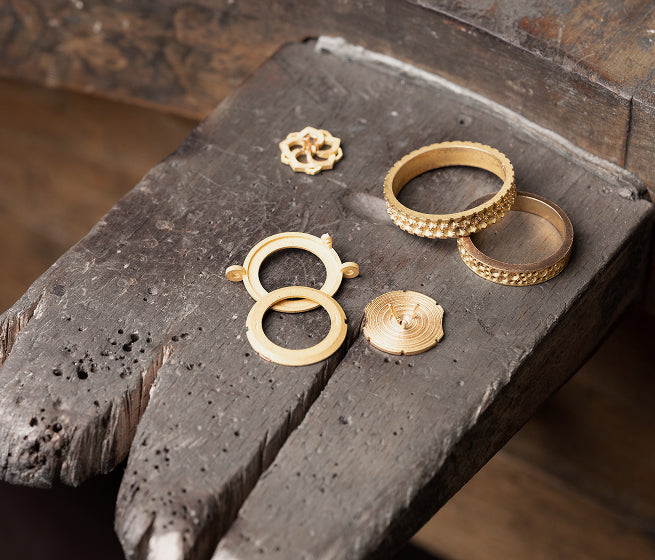
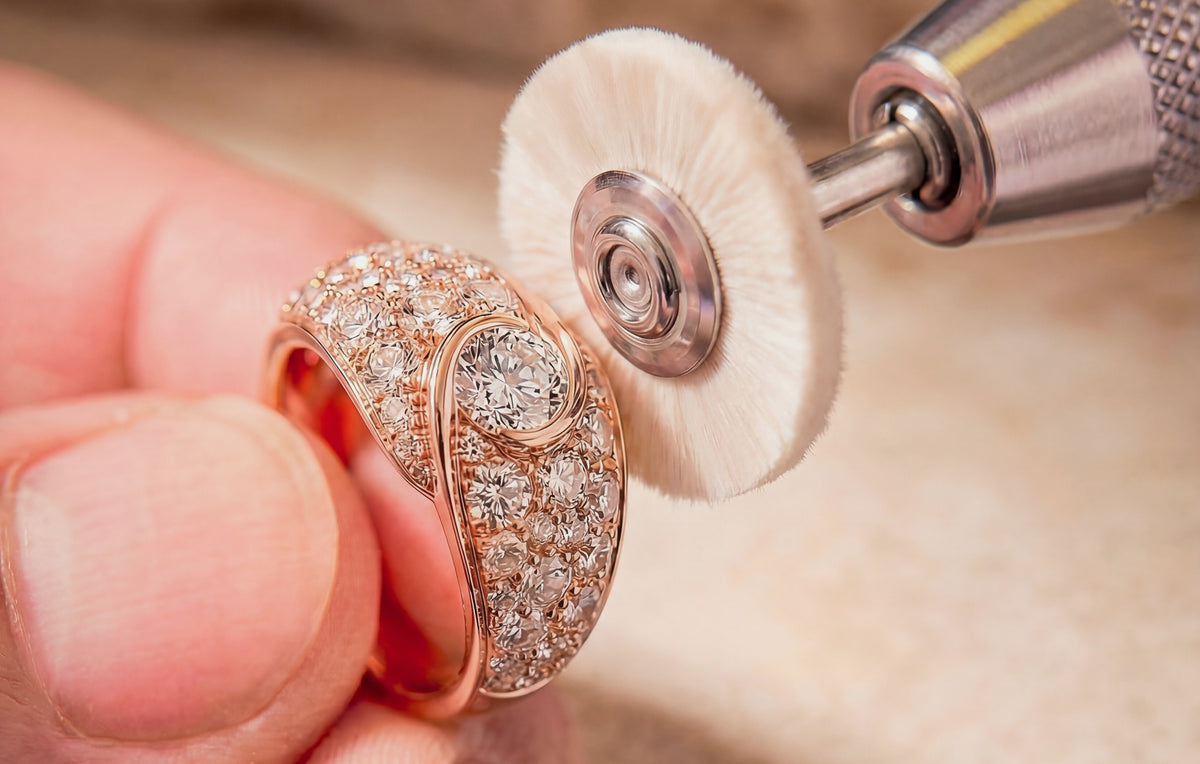
18-karat gold thus offers the best compromise between strength and purity. It remains easy to work with to create complex jewelry, while resisting scratches and deformation. In addition to being hypoallergenic, its luster is identical to that of pure gold, and can even be enhanced or tinted. This process has given birth to white gold and rose gold.
18-karat gold or 750 gold?
The presence of two names in the jewelry industry can sometimes be confusing. It is actually the same alloy composed of 75% pure gold. 18-karat gold, used since the Middle Ages by artisans to compensate for the low mechanical resistance of pure gold, was officialized as a standard value after the French Revolution, the date when the famous eagle's head hallmark began to appear to certify its fineness.
Warm and brilliant 18-karat yellow gold
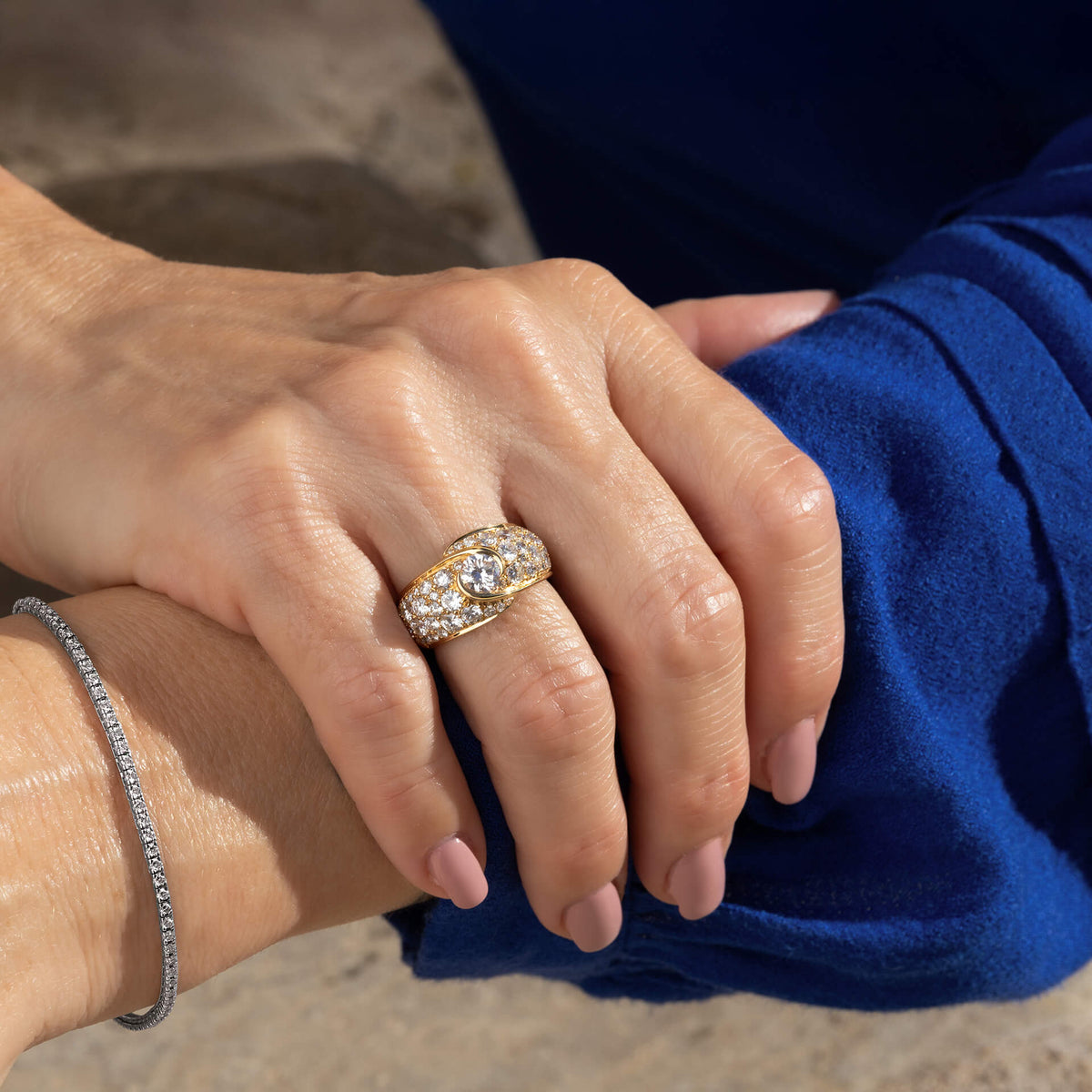
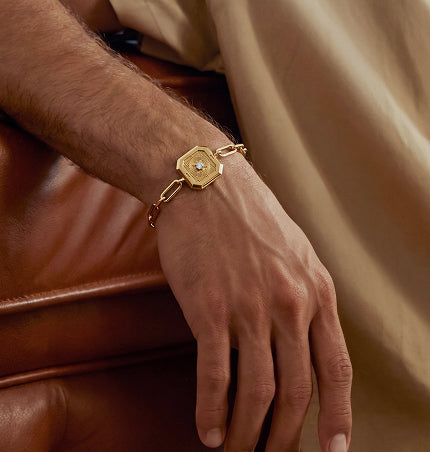
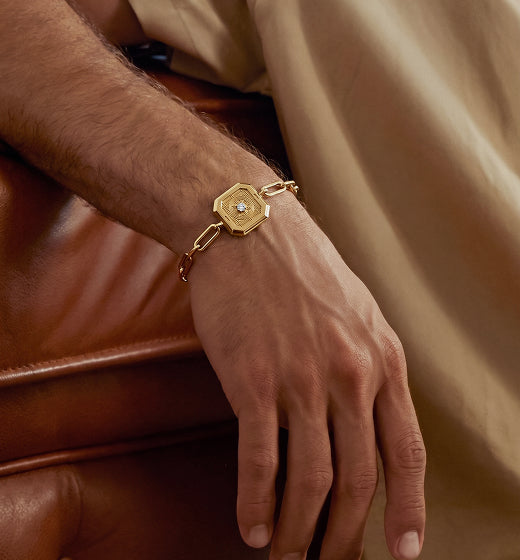
This is the most classic and widespread color of gold. Composed of 75% pure gold and 25% silver or nickel, yellow gold retains the original and precious hue that has made it famous throughout the world since its discovery. This alloy remains the most used, particularly for traditional jewelry such as wedding rings or earrings. It is traditionally associated with gods and the sun, and remains the preferred color for the creation of royal or ceremonial jewelry.
18-karat white gold: modern and contemporary luster
Often with a slightly pearly appearance, its brilliance and polish distinguish it from silver. White gold owes its very light hue to white alloys based on palladium or nickel, and very often a layer of rhodium on the surface to accentuate the reflections and protect it from scratches that could tarnish its shine. It is ideal for modern, less ceremonial yet resolutely luxurious jewelry, such as engagement rings, or to highlight a precious stone by contrasting with its color.
18-karat rose gold: trendy and feminine
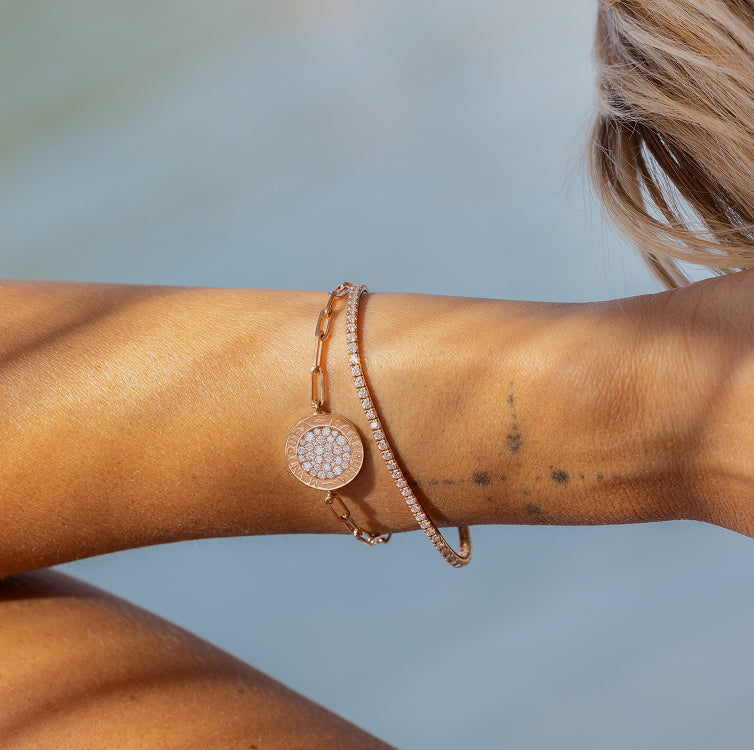
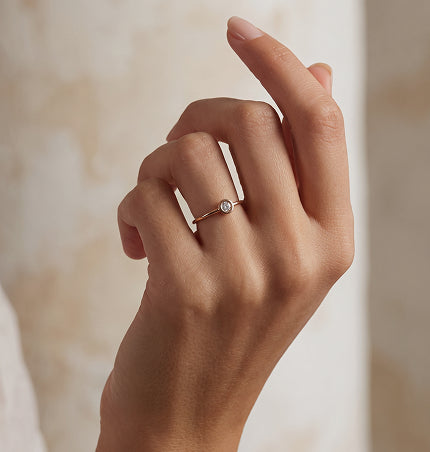
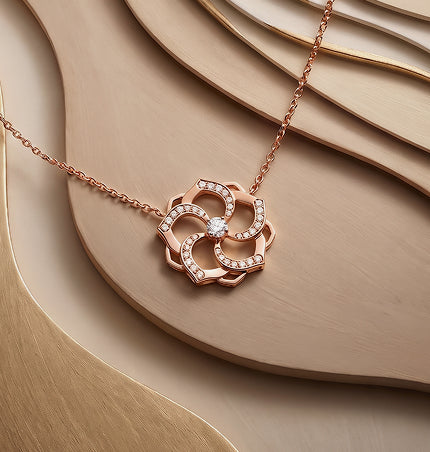
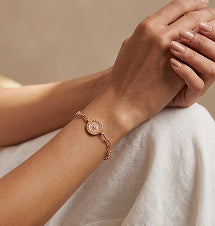
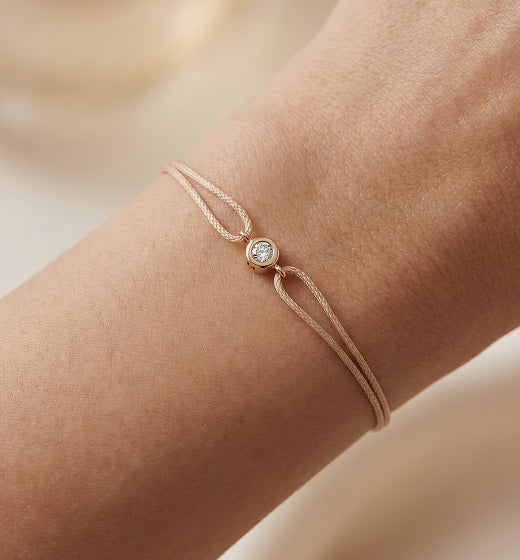
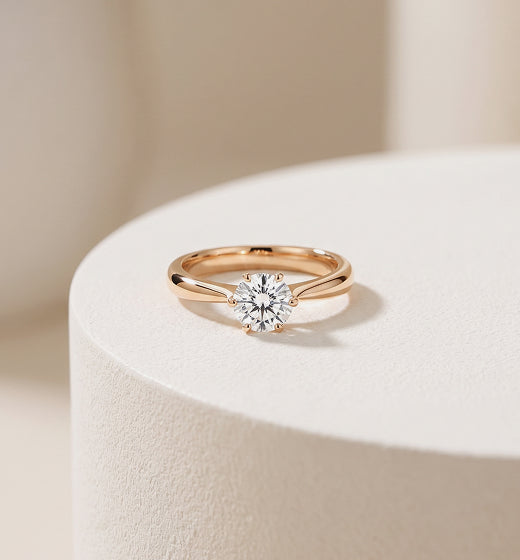
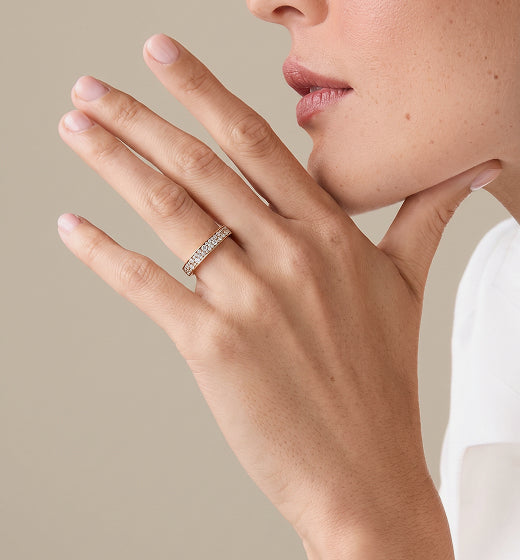
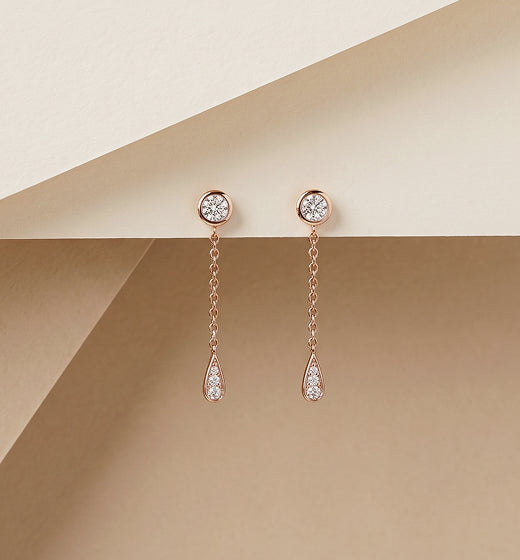
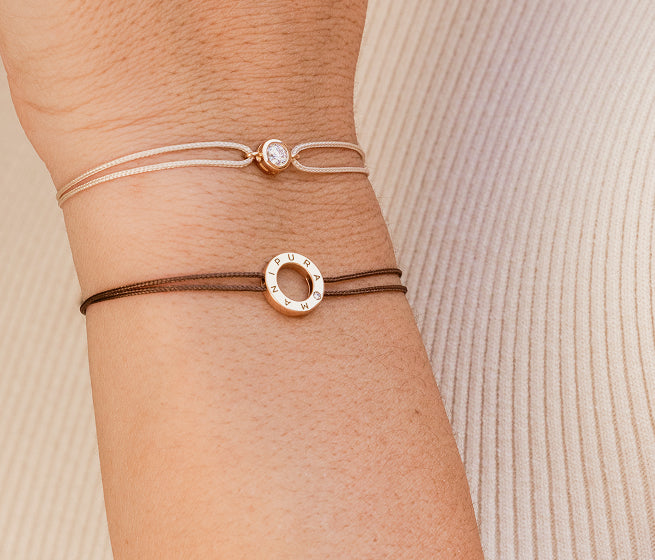
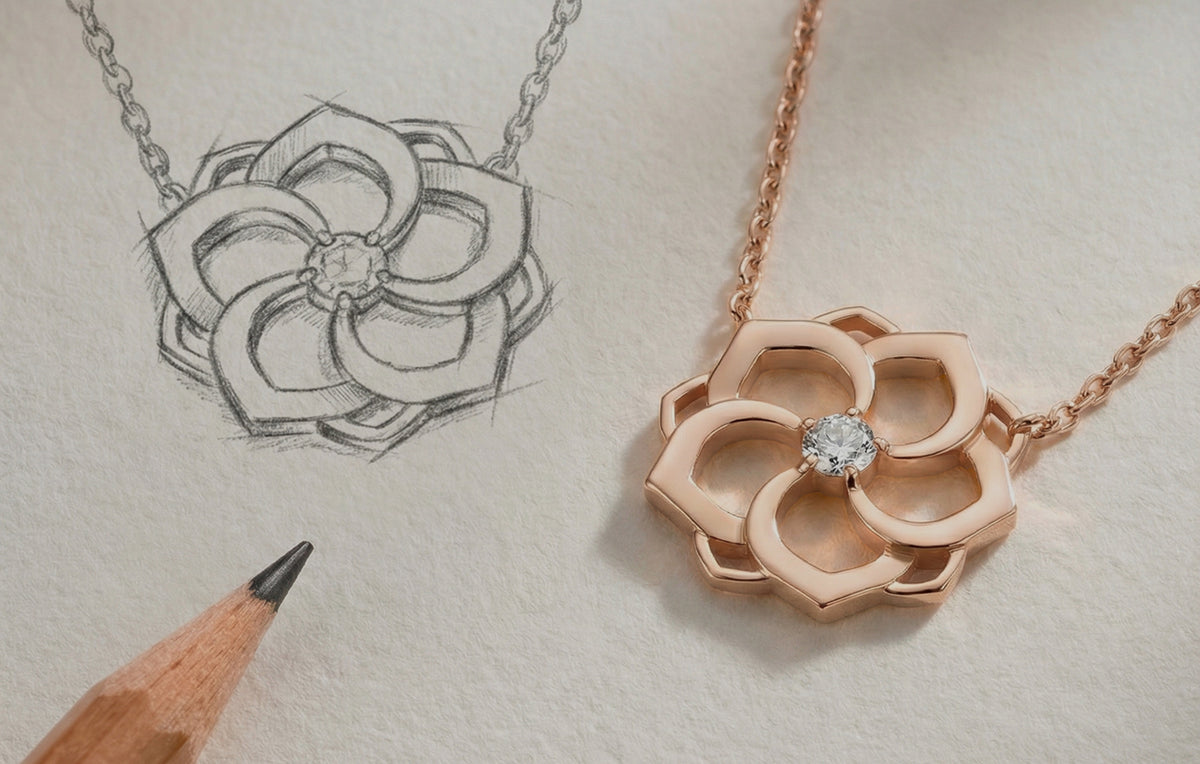
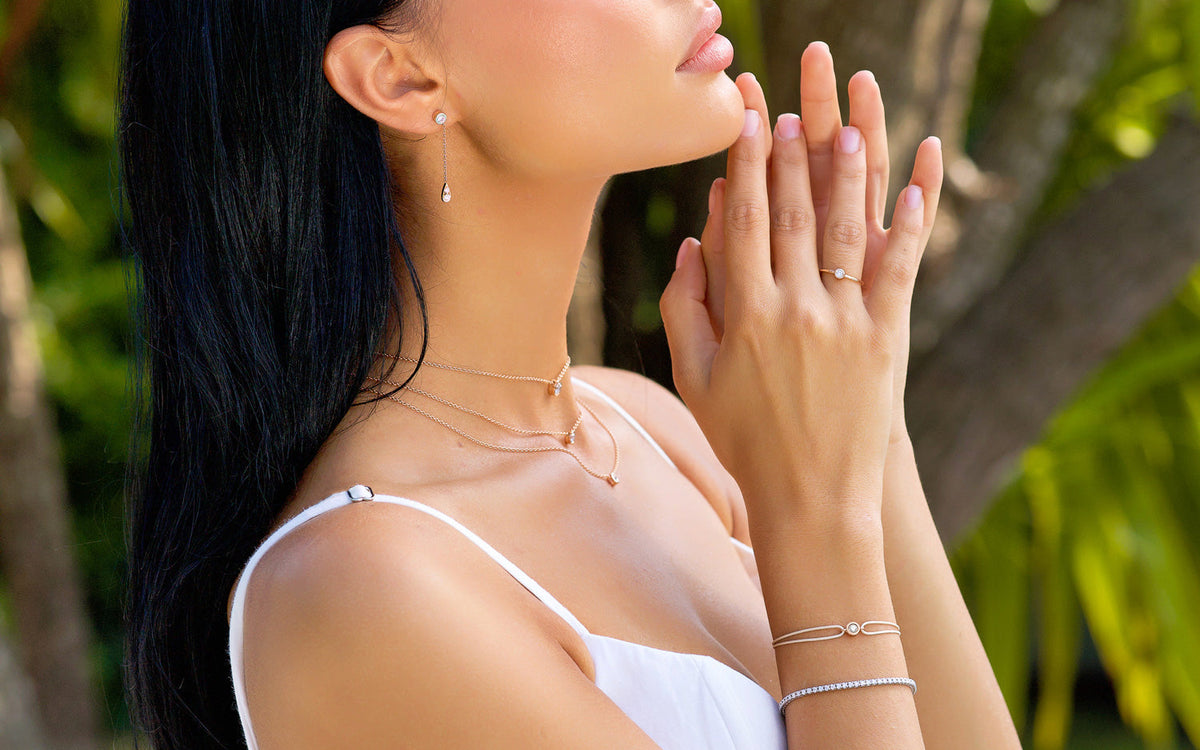
Red gold is obtained by incorporating 25% copper into pure gold to give it a color that can vary between pale pink and reddish. This gives it a very warm appearance and at the same time a highly sought-after touch of femininity when creating a piece adorned with diamonds. It evokes love and romance, and is increasingly used in the creation of jewelry. The proportion of copper and silver directly influences the depth and richness of the red obtained, which allows jewelers to play optimally with contrasts.
The alliance of colors and shapes

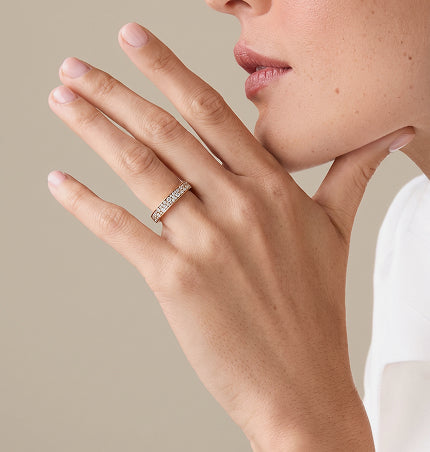
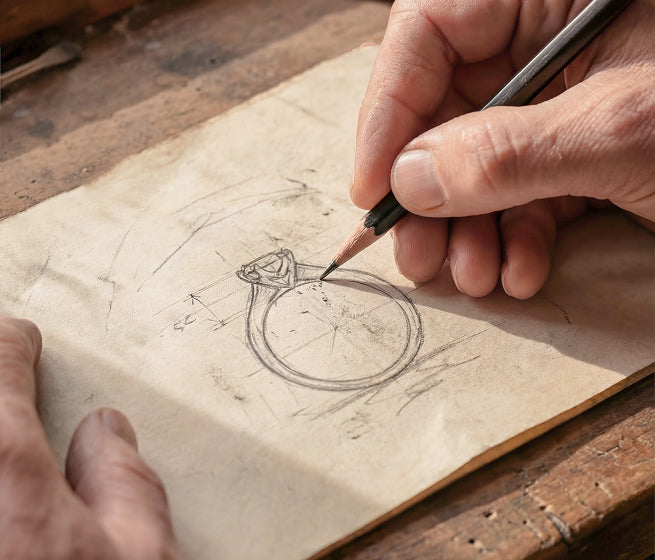
It did not take much more for jewelers and artisans to take advantage of these different shades of gold to create exceptional pieces. Modern and sometimes complex jewelry that often combines two, or even all three shades of the precious metal so that each enhances the other through contrast.
18-karat gold puts its flexibility in the hands of the best jewelers, capable of obtaining tricolor twists, braids, or even interlacing patterns. The variety of shades even offers jewelers the possibility of offering signature jewelry in each of the three nuances, such as the Manipura signature ring.
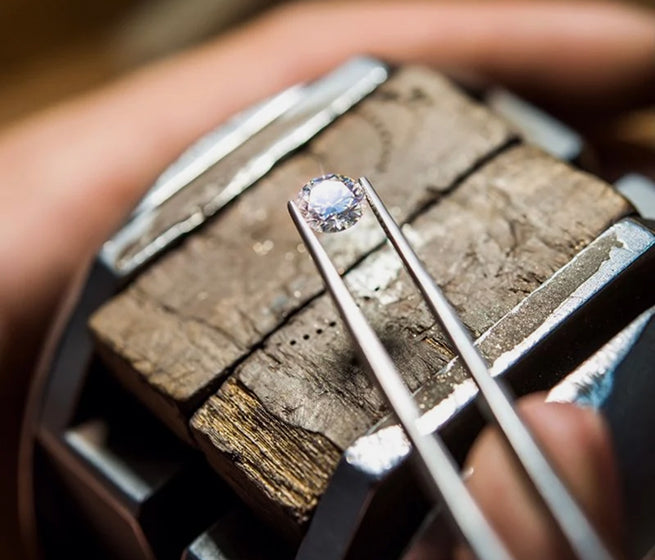
The choice of gold shade is a personal decision to highlight the diamond more or less. Yellow gold provides contrast to the whiteness of the gem, while white gold will reflect more light to maximize the diamond's brilliance. Red gold offers a compromise between brilliance and contrast while bringing softness, femininity, and modernity to works that may be classic but are then revisited.
By working with each of the colors of 18-karat gold, Manipura offers you the possibility of wearing a piece of jewelry that reflects who you are and will display your deep values, for a special occasion or simply for the love of fine craftsmanship.