

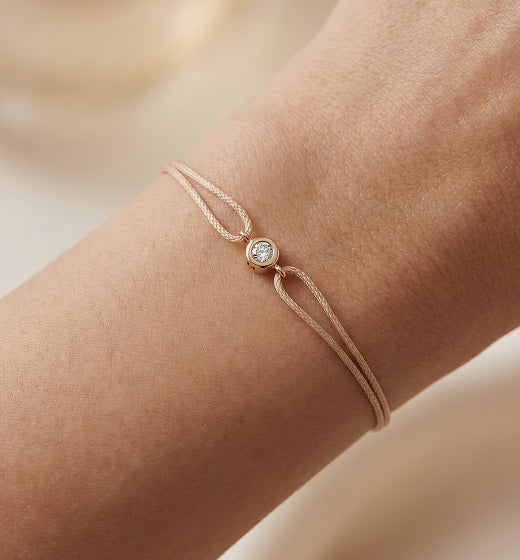

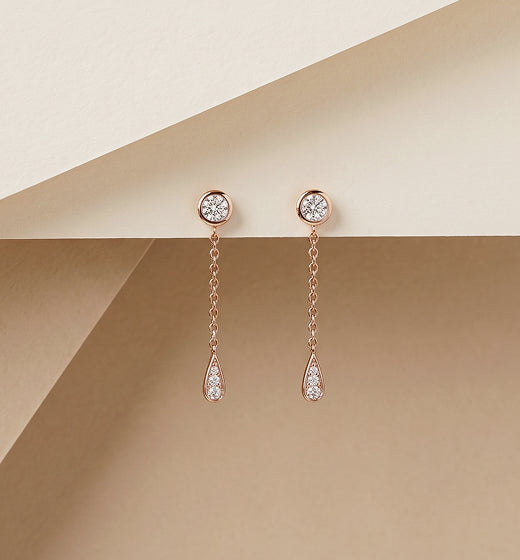
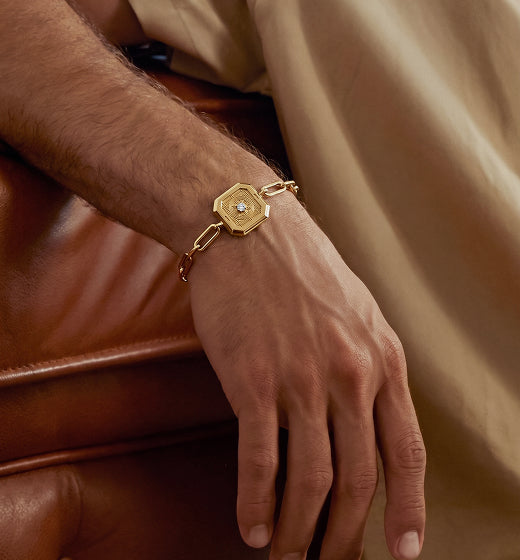




The most expensive precious stone in the world, the diamond, despite its immaculate appearance and perfect transparency, is actually a crystal of pure carbon. Diamonds form several hundred kilometers underground, subjected for billions of years to extreme pressures and temperatures. Little by little, through the planet's volcanic and geological activity, they rise to the surface of the globe, forming deposits.
Most diamond deposits are located in Africa and Russia, but they can be found along rivers downstream from the deposit, sometimes thousands of kilometers away.
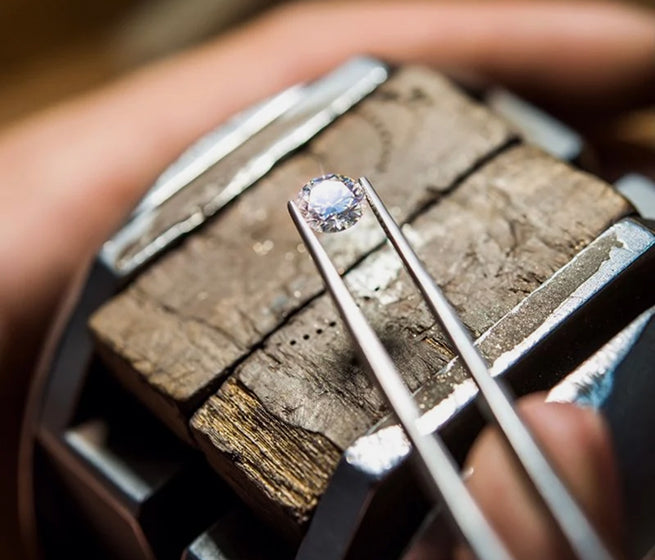
In its natural state, a diamond often has a rough appearance despite a marked octahedral shape. It only becomes the brilliant stone we know once it has been meticulously cut and polished.
The symbolism of the diamond: wealth and romance

It was during Antiquity that diamonds were discovered and used by kings and the warrior caste to symbolize power and divine protection. First in India, before spreading to Europe shortly before the Renaissance. They became a symbol of material wealth for most nobles and the bourgeoisie, thereby losing their divine or esoteric symbolic value.
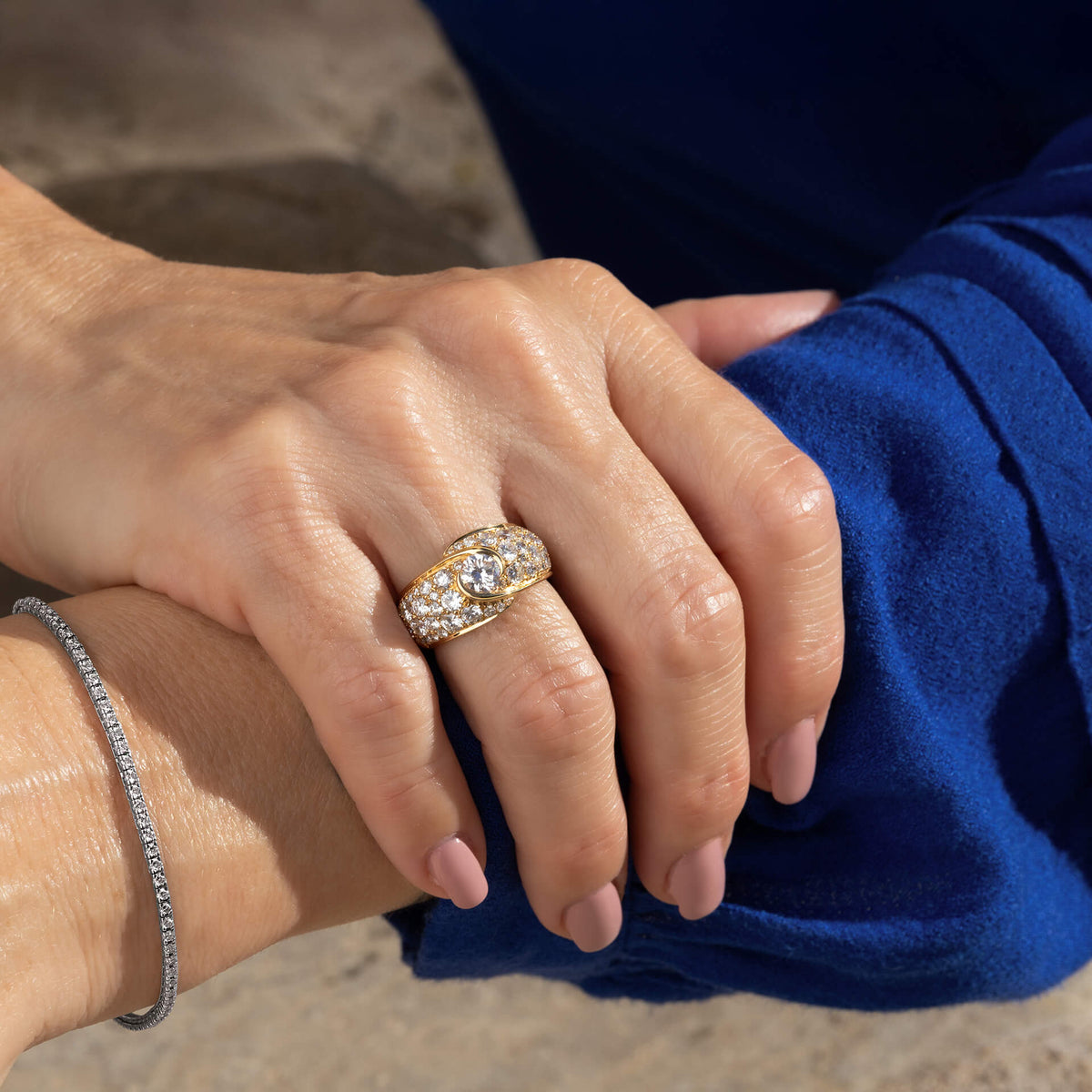
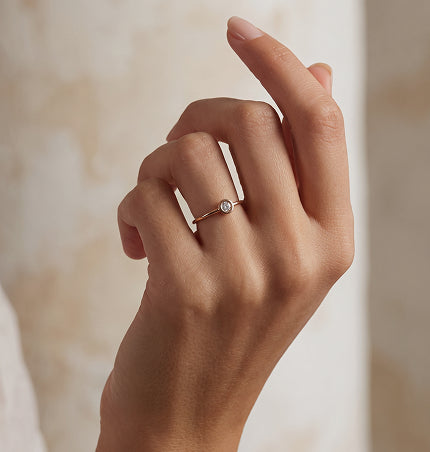
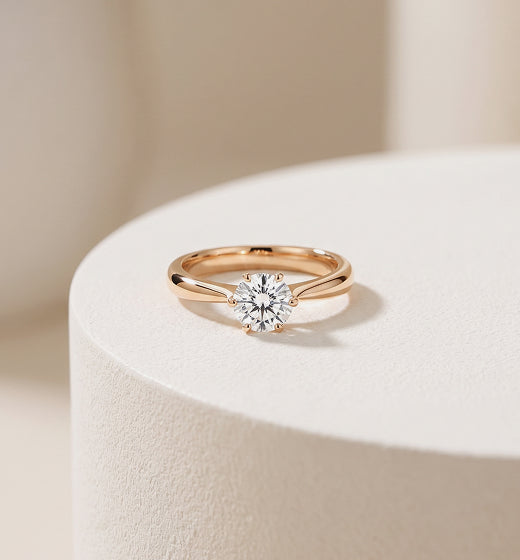
Nowadays, more than just an outward sign of wealth, the diamond has become a sentimental symbol of love and romance, but also of prestige. This is why it is traditionally found on most wedding rings or solitaire rings.
Why is diamond the hardest stone?
Despite the strong sentimental connotation of the diamond, we cannot ignore its physical properties. It is indeed the hardest stone and natural material in the world. This is due to a perfect crystalline structure, where each carbon atom is linked by a strong covalent bond to the others, thus requiring enormous energy to be torn away.
This allows the diamond to resist scratches and abrasion, and to remain unalterable despite the passing years. On the other hand, it has fragile cleavage planes that can split if the jeweler cuts the diamond too boldly.
From the Earth's crust to your finger: the diamond's long journey
For it to illuminate your finger or your neck with its sparkle, the diamond will have gone through many stages since the deposit from which it was extracted. First examined in its rough state and sorted to keep only diamonds of usable quality, they must then be cleaned, weighed, and above all traded on the diamond market, a veritable virtual stock exchange where the precious stone is exchanged.
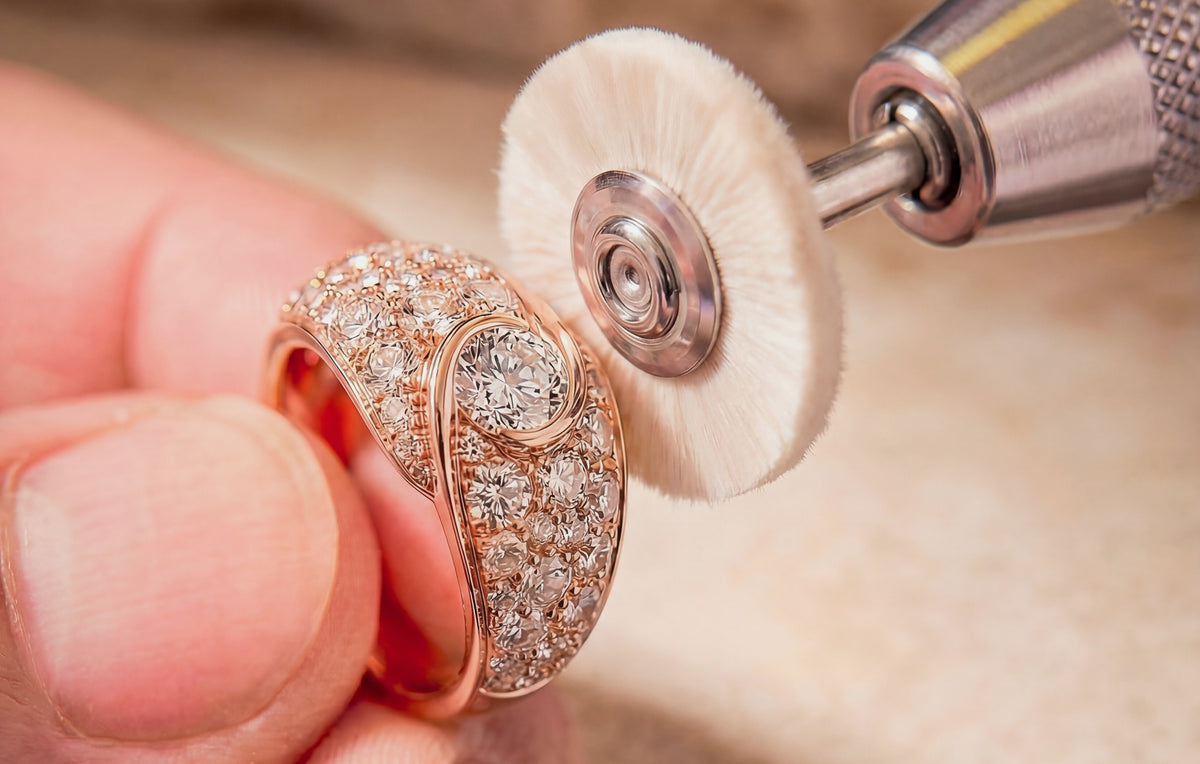
The diamond is then cut and polished by a diamond cutter to give it maximum value by playing on the symmetry of the cut, perfect proportions, polishing... before being sent for certification to an independent body such as the Gemological Institute of America. Once the diamond is certified and valued, it can be acquired by a jeweler who will know how to showcase it in one of their pieces of jewelry.
What characteristics to look for when choosing your diamond
To choose a diamond, you must focus on the essential criteria of its value: cut, carat, clarity, and color. Depending on the piece of jewelry it is intended for, the diamond must be chosen with care. For example, for a ring worn every day and subject to the risk of daily impacts, it is important to select a diamond whose structure has few impurities and imperfections, to ensure its durability.
Furthermore, if it is intended to be visible rather than discreet, it is necessary to choose a so-called brilliant cut to maximize the reflection of light inside the diamond and allow it to attract all the attention.
In addition to the aesthetic aspect of the diamond, its origin and authenticity should also deserve your attention.
Choosing a certified diamond, a guarantee of traceability

When you decide to buy a diamond, for the pleasure of wearing it or as an investment choice, it is important that it be certified by an independent and recognized body such as the GIA. This certificate attests to the authenticity and origin of the precious stone. It also indicates its value, excluding the jeweler's work, and is therefore essential when it comes to insuring it.
Do not hesitate to ask for a copy of the GIA certificate, in addition to the jeweler's invoice, to transmit to your insurance company. The certificate also indicates the individual number laser-engraved on each diamond, a detail invisible to the naked eye but which will prove decisive in case of theft or loss. Most of the diamonds used for Manipura pieces come with a GIA certificate, a guarantee of reliability, authenticity, and responsibility.