


The diamond is often referred to as the hardest of all precious stones. The question therefore arises as to how this hierarchy of hardness was established, on what criteria, and above all, why it is still in use. The answer naturally begins with the Mohs scale.
What is the Mohs scale

The Mohs scale was developed at the beginning of the 19th century by the mineralogist of the same name. At that time, many precious stones remained to be discovered and classified. Most gemologists, jewelers, or goldsmiths therefore waited with professional impatience for new gems to be brought to market, promising original and avant-garde jewelry that would give them an advantage over the competition.
The hardness of the newly unearthed precious stones was of particular importance to them because a friable precious stone cannot be worked properly. Similarly, a stone that is too hard requires specific techniques and tools. The mineralogist F. Mohs therefore developed this simple method for testing the hardness of stones. His concept: look at which stone scratches the other to build a hierarchy of hardness.
Thus, 10 minerals were selected to constitute this scale, starting from talc, which is very friable, to diamond, which almost nothing can chip. Between these two extremes, and in increasing order of hardness, we find gypsum, calcite, fluorite, apatite, orthoclase, quartz, topaz, and corundum. They are called reference minerals and are still used today during test protocols.
How is the hardness of precious stones tested
In practice, this empirical test is performed by hand by mineralogists. Over time, the protocol has slowly become standardized to allow for more reliable stone ranking and to avoid inaccuracies. For example, the reference and test stones must have a smooth surface, be applied at the same angle for each test, and also be cleaned beforehand and free of dust or dirt. By using precision machines, laboratory technicians can ensure that the testing conditions for precious stone hardness are rigorously identical and that the samples are not visibly damaged. For this, they use "micro-scratch" machines equipped with a stylus made of a reference stone or a microscopic diamond tip. In the case of the latter method, it is the minimum force applied to the tip for it to scratch the sample that is precisely calculated, with the scratch, invisible to the naked eye, being observed and measured using a microscope.
The diamond, however, because of its value, is entitled to special treatment.
The special case of the diamond
Indeed, considering the exceptional market value of the diamond, which is strongly influenced by its structure and the perfection of its surfaces, it is preferable to use a non-invasive and non-destructive method to test its hardness. Even though it is harder than all other minerals and therefore not at risk of being scratched, there is still a risk of cracking due to an imperfect structure at the atomic level that is impossible to verify. These weaknesses are called cleavage planes. A diamond that exhibits them can therefore be easily split by accident when force is applied to it, if that force passes through the cleavage plane.
As a result, laboratories prefer to use thermal or electrical conductivity measurement techniques (its conductivity depending on its atomic solidity) or precision optical instruments.
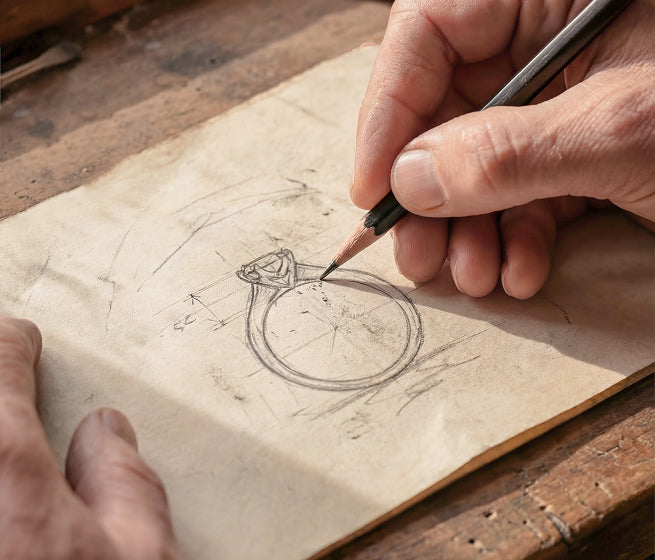
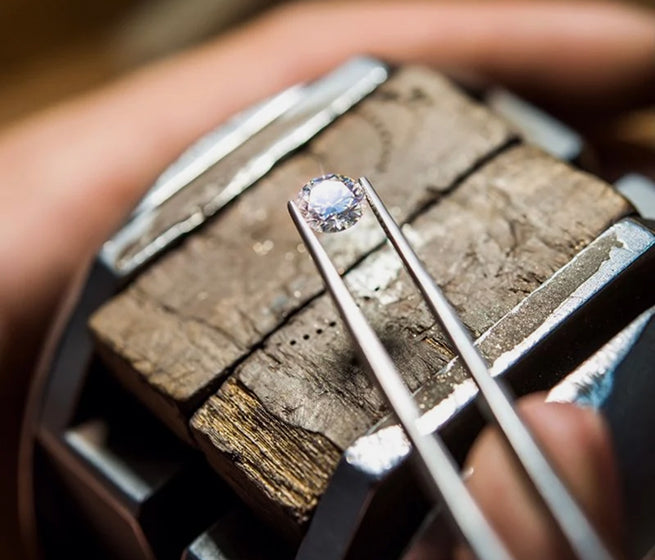
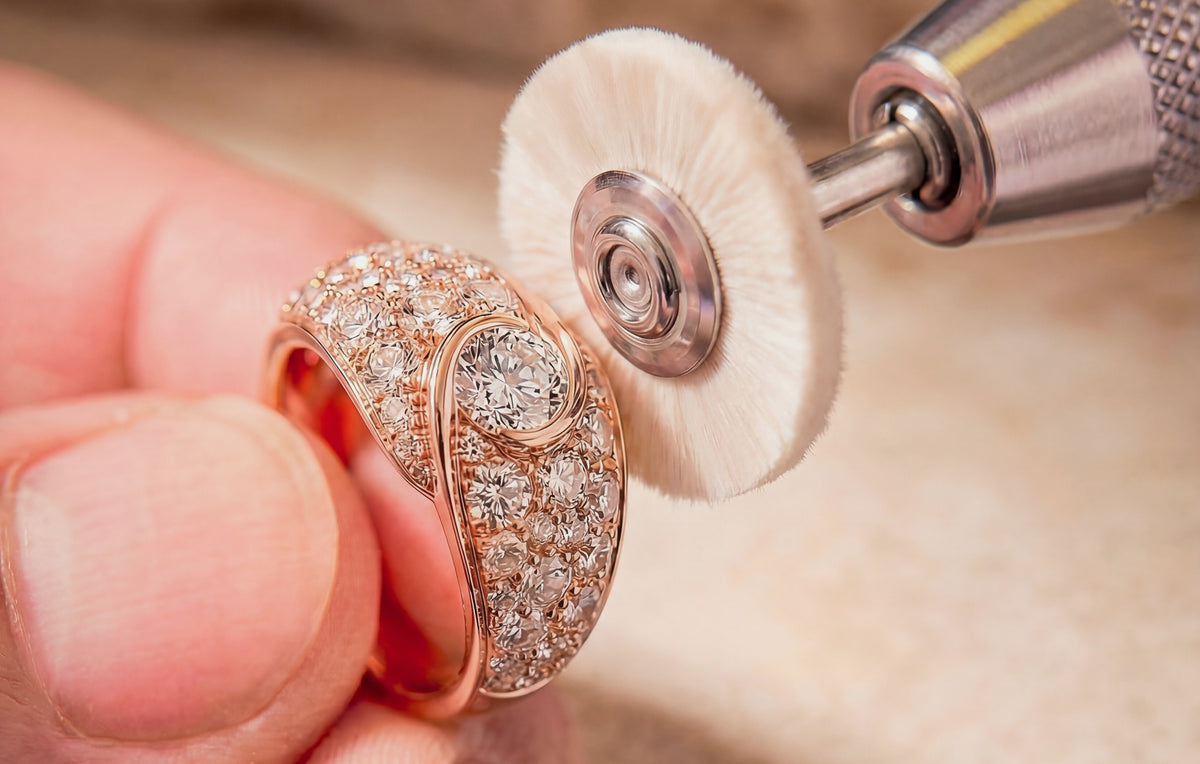
However, it is the presence of cleavage planes, found along the octahedral planes, that allows jewelers to cut the precious stone in a perfectly geometric manner. Even when carried out by talented jewelers, this step of cutting the diamond remains delicate but essential to showcase the stone on a bracelet or ring.
Harder than diamond: beyond the Mohs scale
The diamond is thus situated proudly at the top of the Mohs scale, making it the hardest natural material in the world. However, thanks to technology, man has managed to create even more resistant materials. Synthetic diamond, for example, which presents no impurities or structural weaknesses, or industrial ceramics. It, however, represents no value in jewelry. Jewelers very rightly seek this natural and rare character that gives the diamond all its value and makes it the most sought-after precious stone.
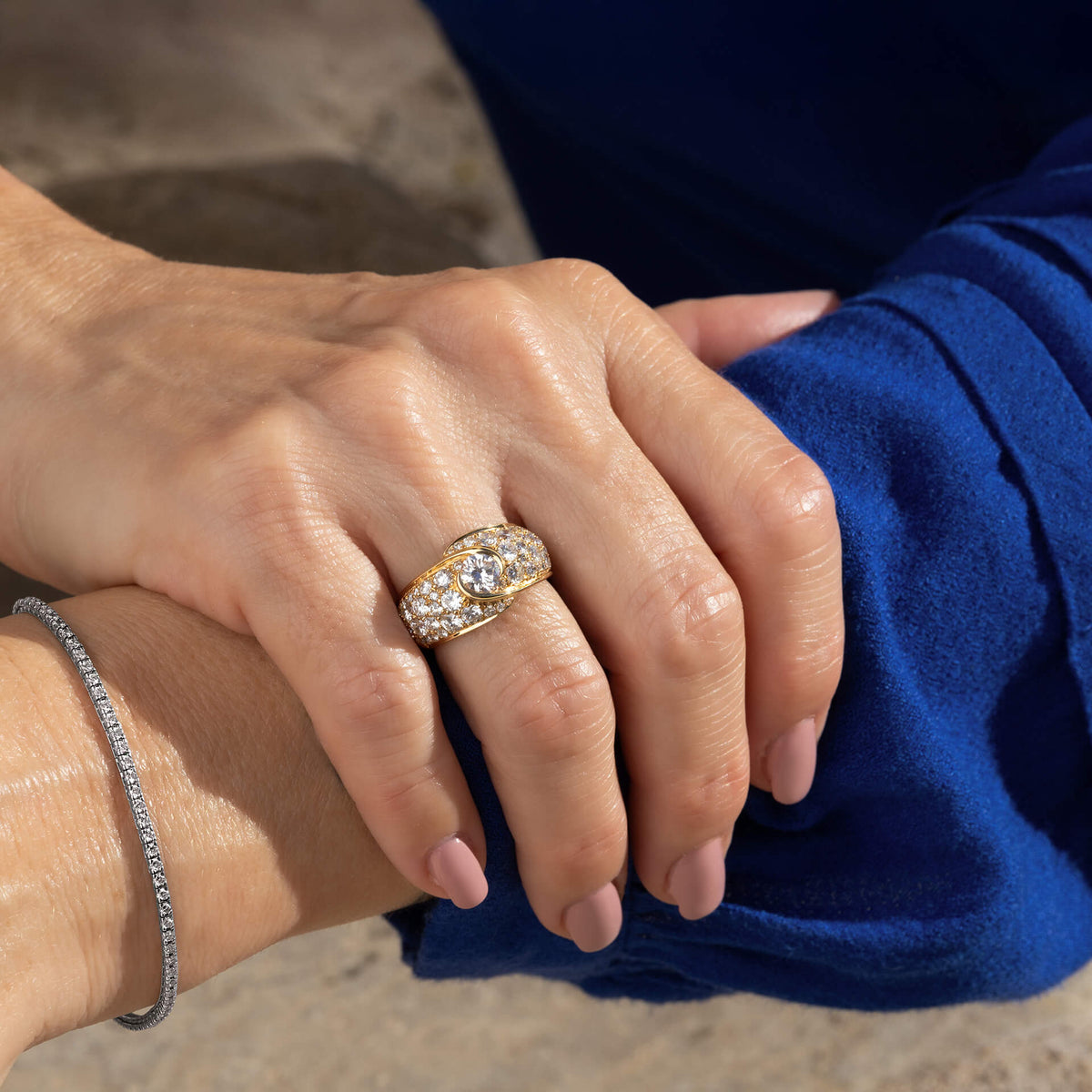
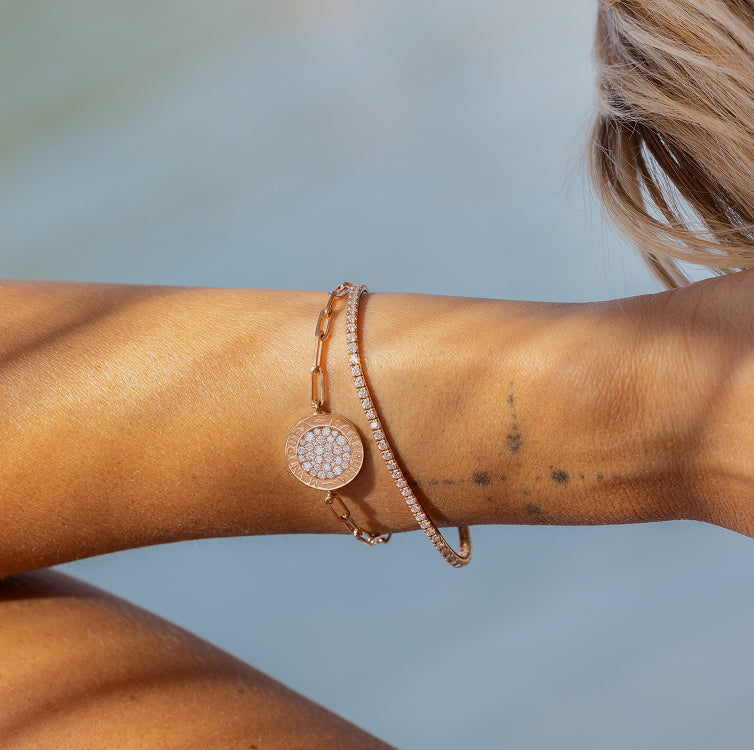
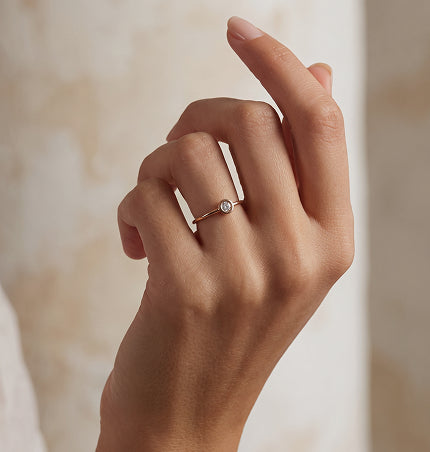
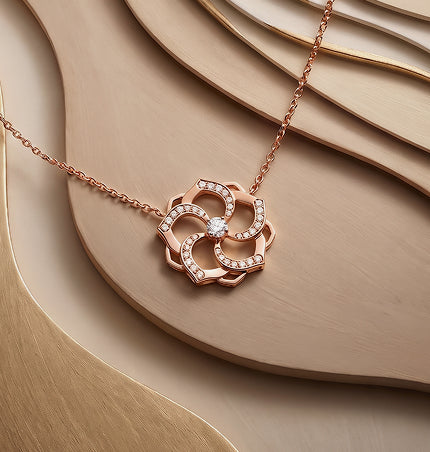
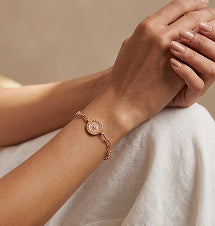
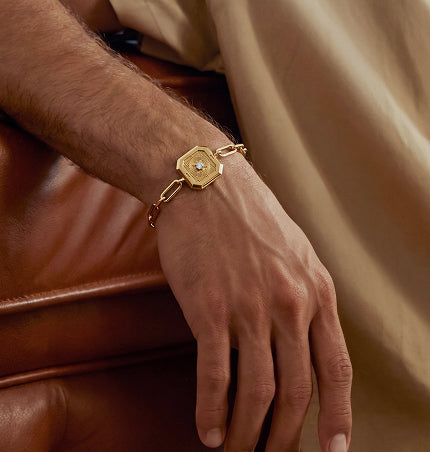
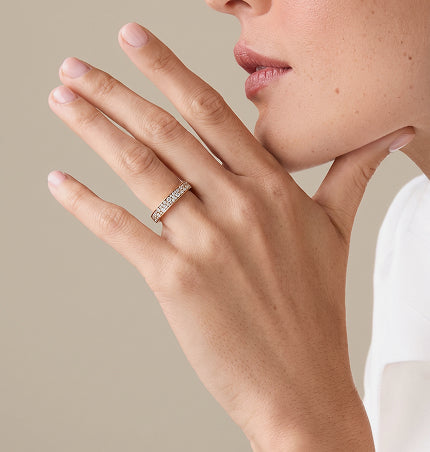
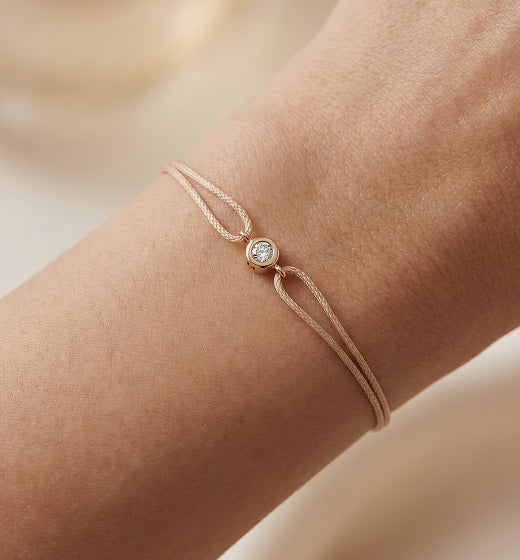
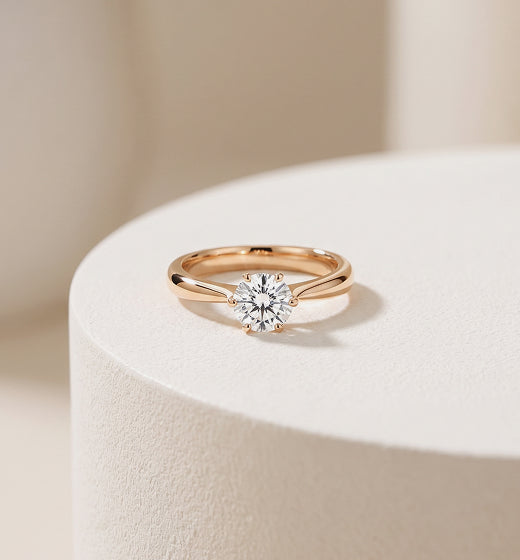
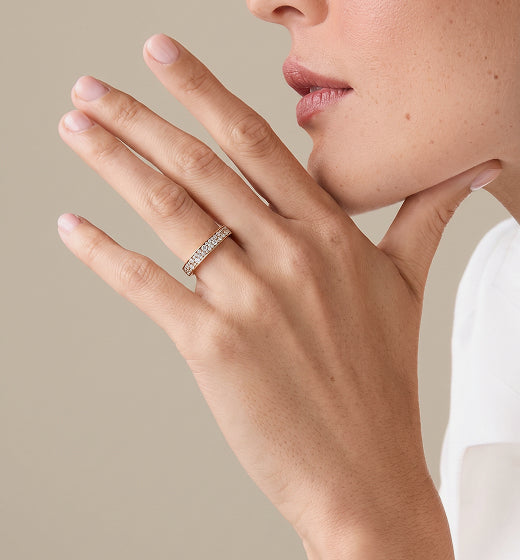
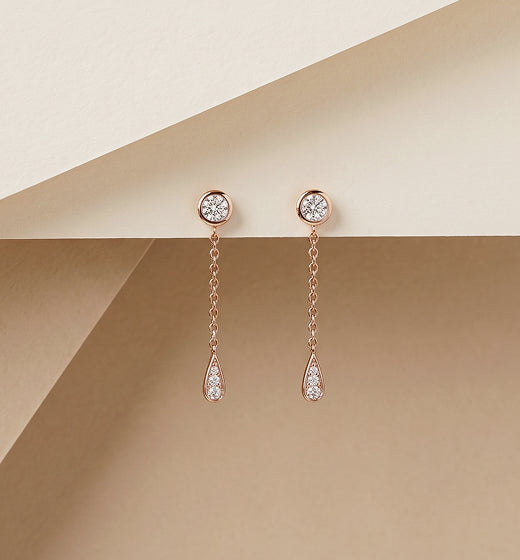
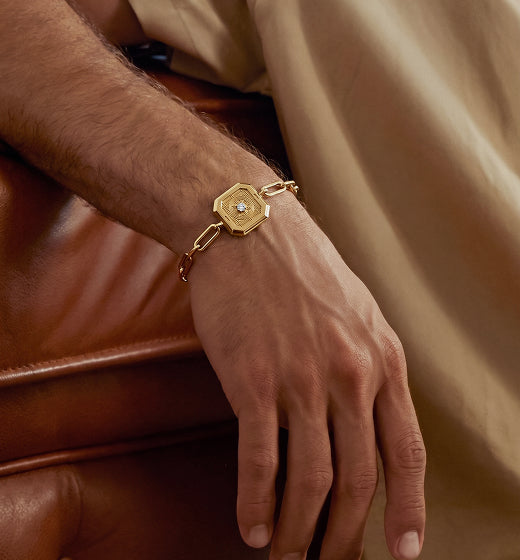
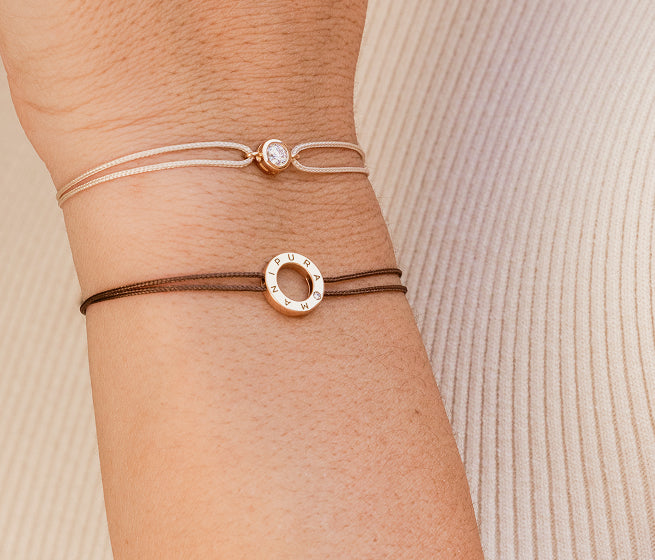
Manipura jewelry preserves this authenticity by using only natural diamonds. Cut with unparalleled precision and craftsmanship by experienced artisans, they exploit the natural characteristics of the precious stone to create exceptional pieces. Their hardness, a guarantee of durability, allows them to retain their original brilliance and resist the risks of scratching associated with time and the daily wear of a piece of jewelry.