






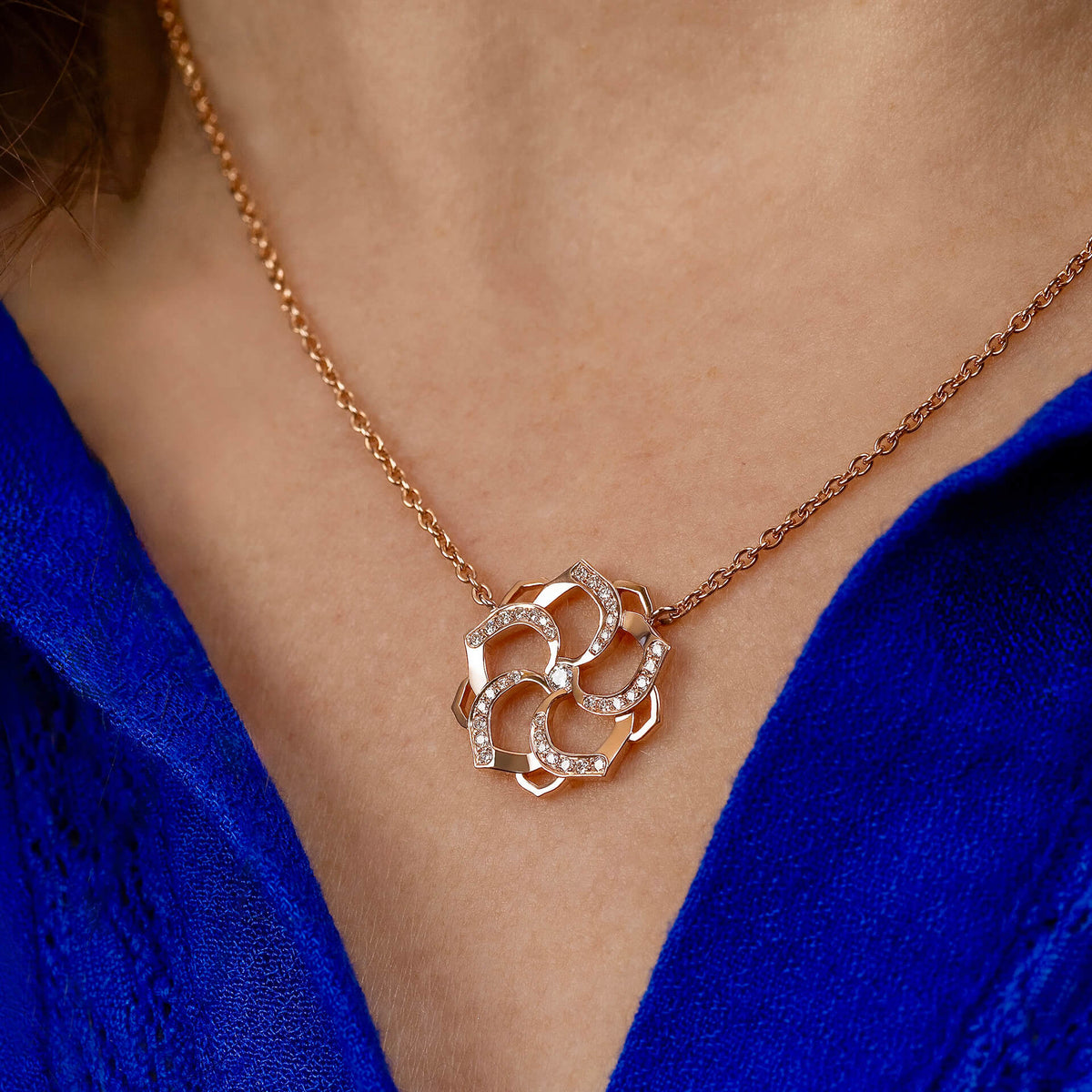
A diamond may shine, but sometimes it never truly illuminates. If its light carries no story or truth, it reflects nothing more than mere appearance. At the house of Manipura, we believe a piece of jewelry must embody more than its beauty. It must reflect your values as much as your style. Without compromise. The origin of a diamond, the hands that extracted it, or even the way it was cut… all of this matters. Today, it is no longer enough to talk about ethics. One must demonstrate them. Only genuine traceability makes the difference, transforming a stone into a commitment. Because a piece of jewelry is not chosen by chance, we give you the keys to recognize a stone worthy of being worn. Today and tomorrow.
The ethics of a diamond begin long before its creation

Every diamond begins its life far from display cases. In a mine, on the earth, between hands. Even before it is cut, it already has a story. This is where it all begins.
We never work with a stone in our workshop without knowing where it comes from. This is not a detail. It is a requirement. The country of extraction, the social conditions, the methods used to extract the stone… every element matters to us. A diamond whose origin we do not know is, by definition, a stone that cannot be worn with a clear conscience.
Ethics cannot be declared after the fact. Never. It is rooted in the reality of facts, in the transparency of the journey. That is why we collaborate only with partners capable of providing solid guarantees, regarding both traceability and working conditions.
A diamond signed Manipura is always a natural diamond, chosen for its quality, but also for its integrity. It is not just a matter of gemological purity, but purity of origin. We respect the latter, for it is the starting point of every piece we craft.
Is a certification enough to guarantee ethics?
Labels provide reassurance. The Kimberley Process, GIA, IGI… These certifications exist to regulate, monitor, and establish a framework. This is necessary. To believe they are sufficient on their own is perhaps an illusion.
A diamond can perfectly well be certified while having passed through an opaque chain. It is thus legal, without being ethical. A certification, in reality, tells only part of the story.
Our jewelry demands more! Each stone we select must be traceable in its entirety: country of origin, extraction conditions, passage through various hands. If any gray area remains, we refuse. Because a promise has value only if it rests on proof. Certifications should only be a starting point. Not an end goal. That is why we go further. A piece of jewelry does not simply check a box. It must be able to account for what it embodies.
An ethical diamond, yes. But is it yours?

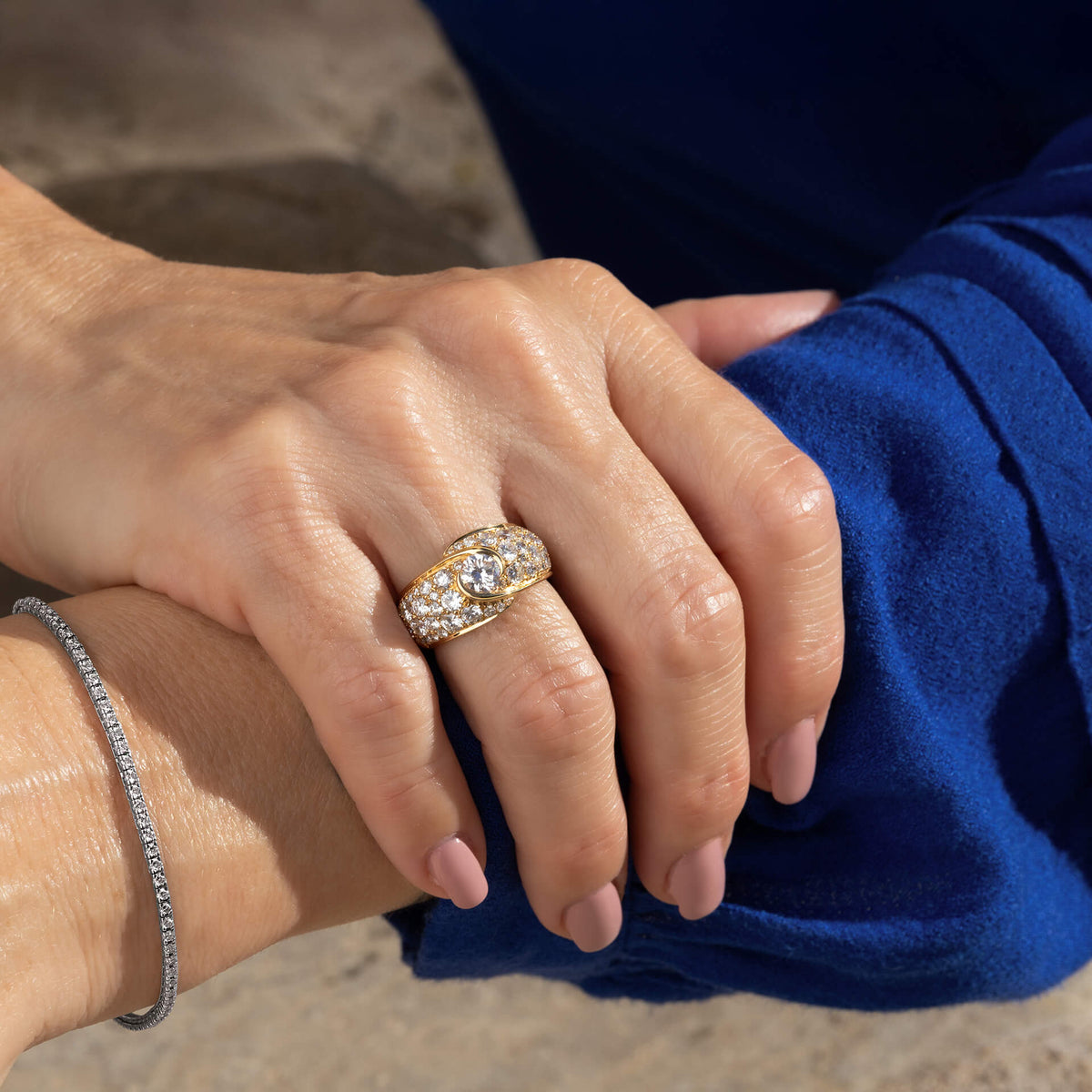
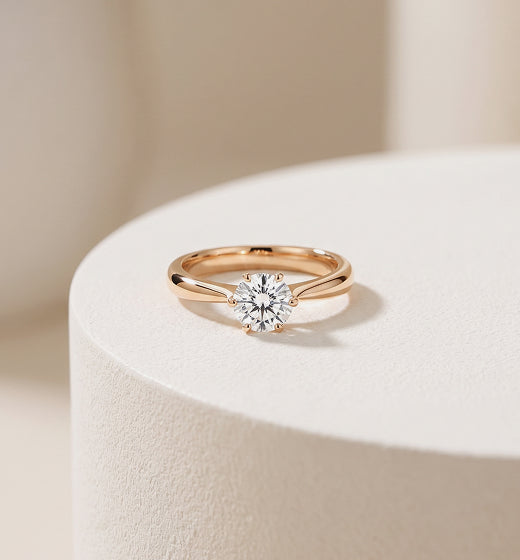
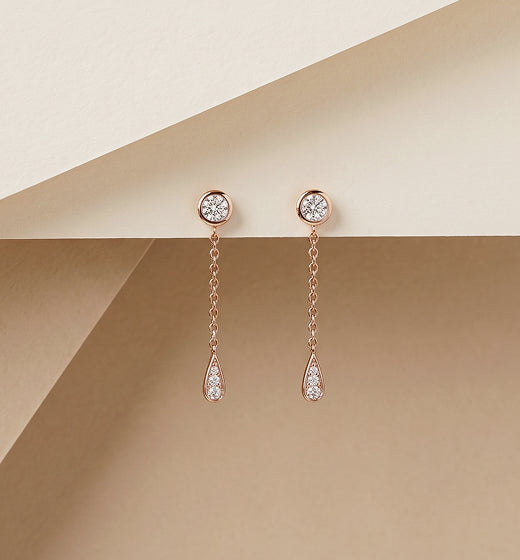
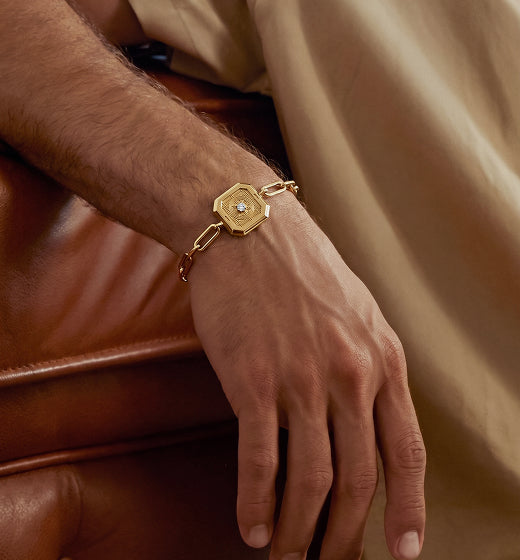
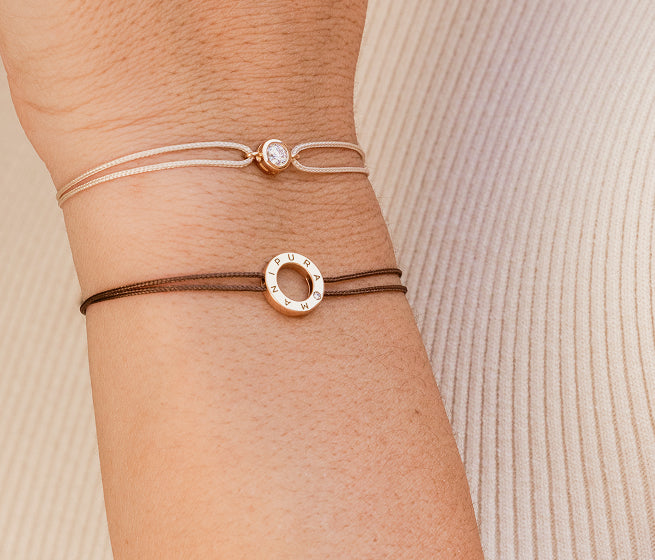
A diamond can be certified, traceable, perfectly legal… and yet say nothing about you. At Manipura, we believe that a ring, a diamond bracelet, or earrings have value only if they echo who you are or what you choose to express. It is not just about compliance. It is about intention.
A diamond is only ethical if it resonates with you. Through its story. Through its light. A stone whose light does not seek to shine for everyone, but to resonate for you. A stone to which one can bond, without compromise, neither in aesthetics nor in conscience.
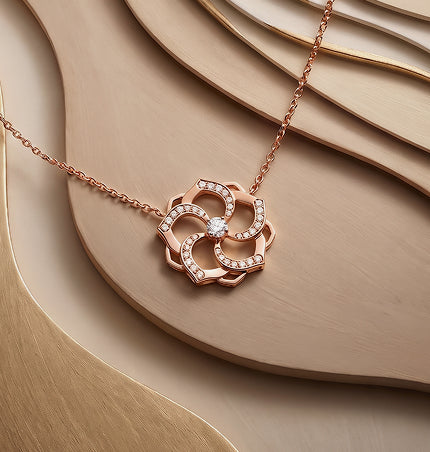
That is why we take the time to understand every gesture, every project. Behind a ring, a necklace, a solitaire, there is an expectation. A moment to mark. This moment deserves better than jewelry chosen in haste.
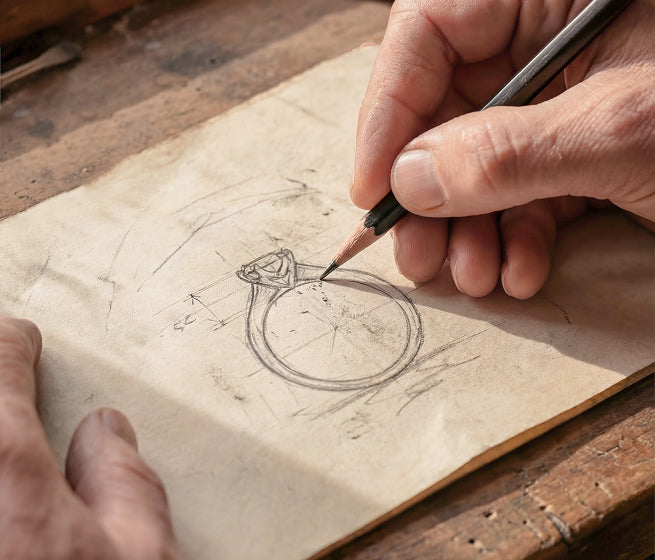
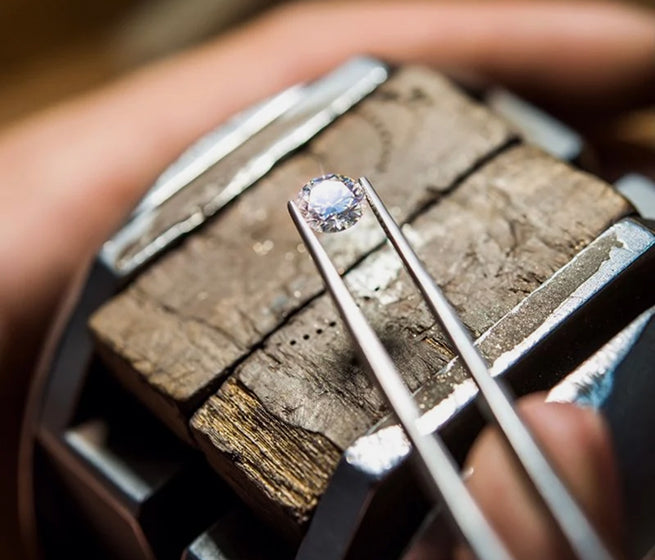
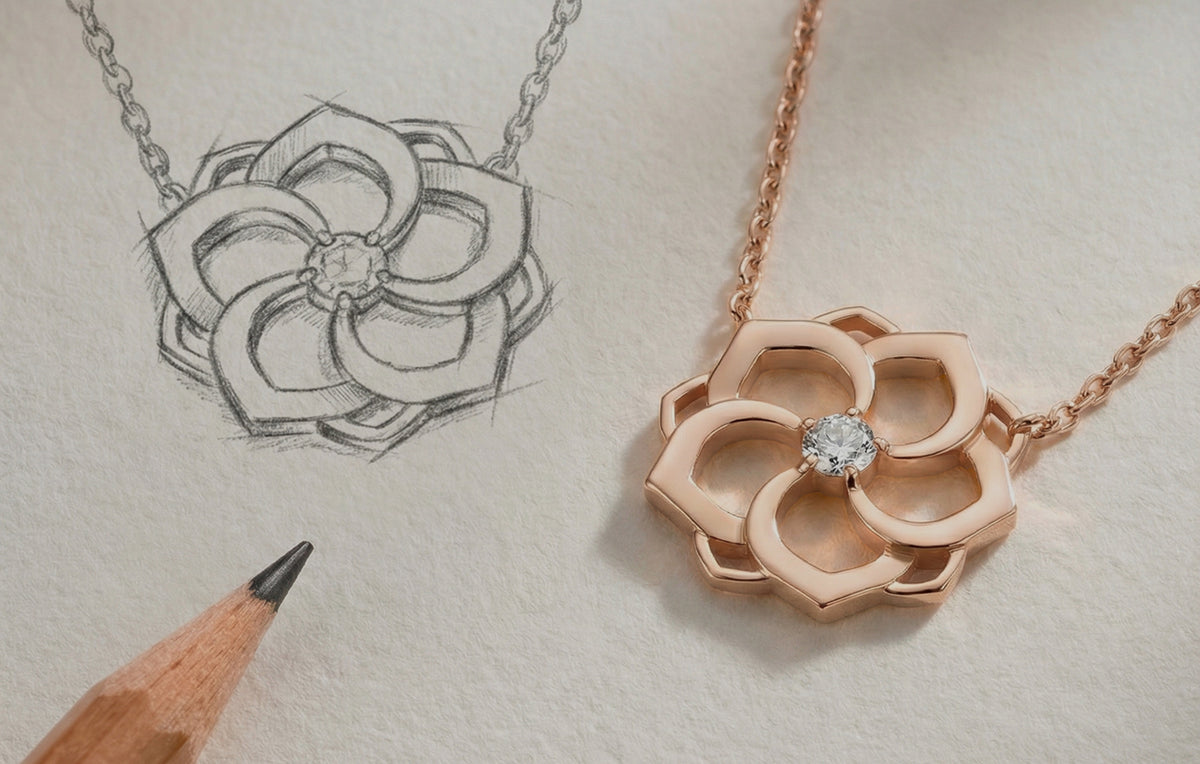
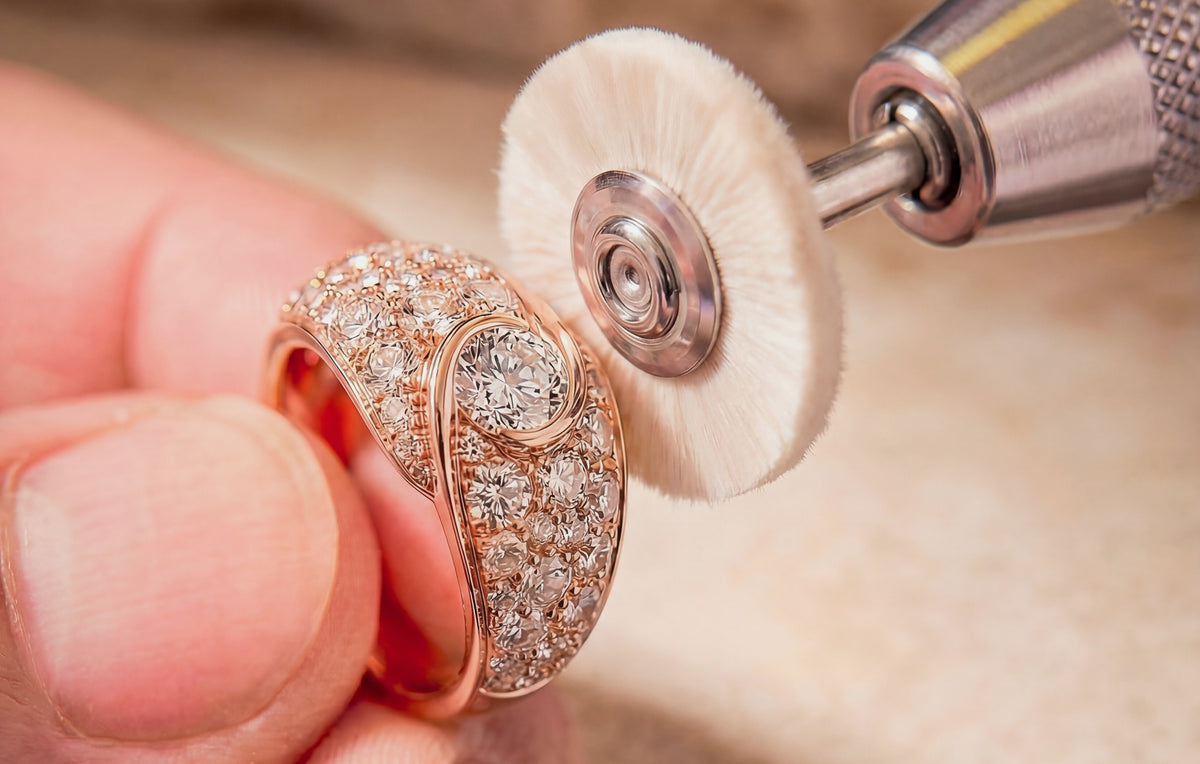
A diamond signed Manipura is selected for its clarity, of course, but also for what it radiates, for its presence. It is then cut in our workshop, in direct connection with the piece it will embody. Nothing is standardized. Everything is thought out so that the stone becomes part of your trajectory, not a trend.
The value of a diamond is not measured by its clarity alone. But by the truth of what it carries, and it is up to you to chart its direction. Ethics is not a fixed value. It is a stance.
We do not claim to hold a truth. We assert a requirement. The requirement to never dissociate the brilliance of a stone from its history. To give meaning to what we craft, not to convince, but to remain faithful to the idea that the noblest beauty is worth nothing without conscience. The essential, perhaps, is not so much in the diamond. But in what it crystallizes. What you decide to honor, to pass on, to make last.